
Selling an Inherited Home in Manhattan Beach: Probate, Trust Sales & Taxes
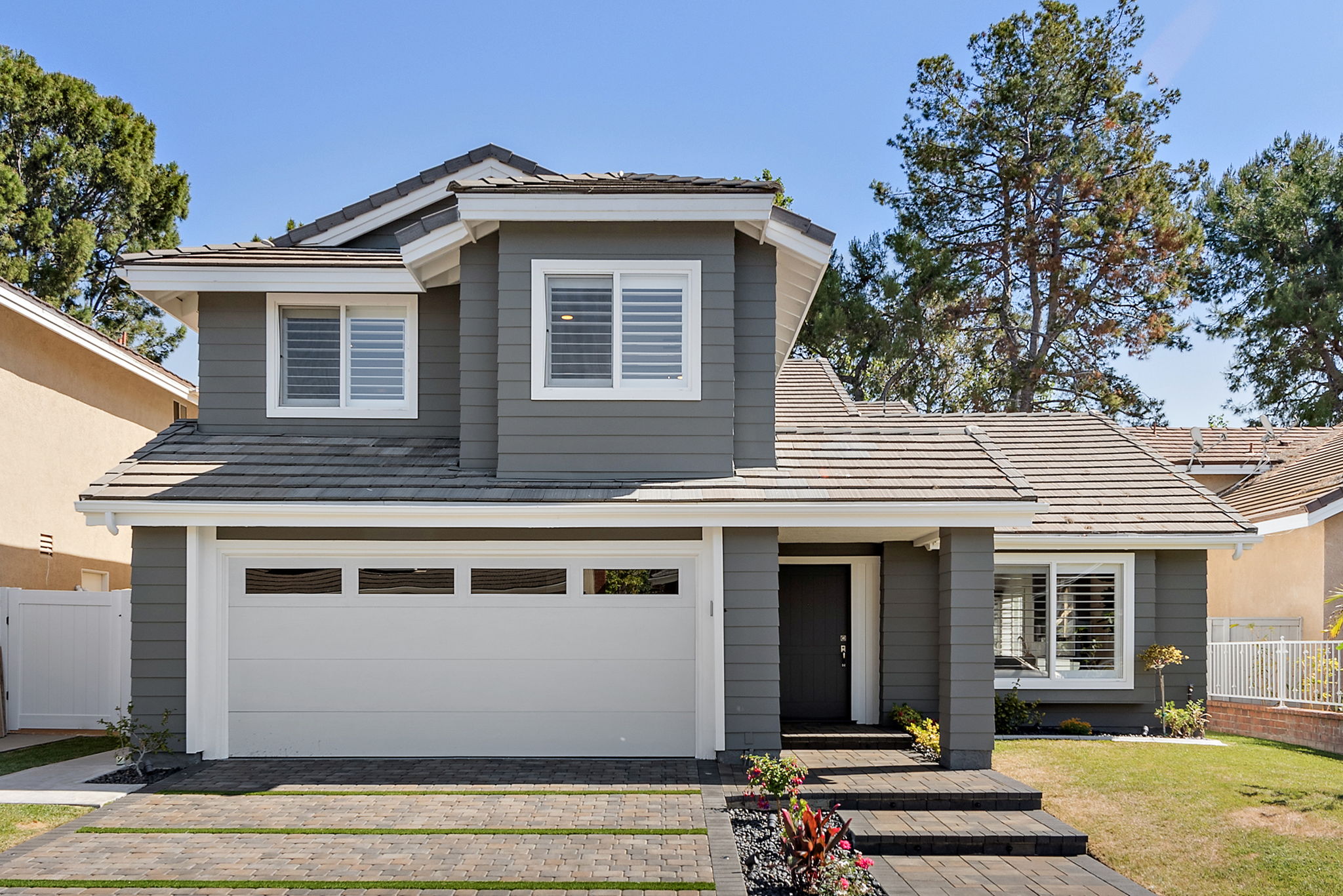
Learn who can legally sell an inherited home in Manhattan Beach, how probate and trust sales differ, and which California taxes and costs heirs should check before listing.
Selling an inherited home in Manhattan Beach starts with one question: who has legal authority to sign? If the house sat in a living trust, the successor trustee can usually sell without court approval. If it was titled in the decedent’s name alone, a court-appointed executor or administrator typically has to act first, and California probate often takes roughly nine months to a year and a half. Taxes are often more manageable than heirs expect: California has no state estate or inheritance tax, and inherited property generally receives a stepped-up tax basis. This guide covers each path, the costs, and the Manhattan Beach-specific decisions. It is general information, not legal or tax advice.
Key Takeaways
- Authority comes first - Escrow will want proof of who can sign, such as a certification of trust or court-issued letters.
- Trust sales are simpler - A trustee can usually sell without court approval. Probate sales may need a confirmation hearing where other buyers can overbid.
- Probate takes time - Court guidance puts the full process at about 9 months to 1½ years, or longer.
- Tax usually applies to post-death gain. Heirs generally measure gain from the date-of-death value, and California taxes it as ordinary income.
- Compare keeping, selling, and redeveloping. On an older home, the lot may be the main asset.
Who Can Legally Sell an Inherited Home?
How title was held at death decides who can sign and how long the sale takes. There are three common scenarios.
Living Trust
The successor trustee signs. No court approval of the sale is typically needed, and timing is not tied to probate. Escrow will ask for a certification of trust, and the trustee must send notices to beneficiaries.
Probate With Independent Authority
The executor or administrator signs, using court-issued letters. Under the Independent Administration of Estates Act, a court can give broad authority to sell without a confirmation hearing, though that authority can be limited. The sale still happens inside the probate timeline.
Probate With Court Supervision
The executor or administrator signs, but the sale needs a confirmation hearing. The offer must be at least 90% of the appraised value, and other buyers can overbid at the hearing. That hearing adds time to the sale.
California’s small-estate shortcuts rarely help here. For deaths on or after April 1, 2025, a primary residence worth up to $750,000 can pass by court petition, and the $208,850 affidavit limit covers personal property, not real estate. Many Manhattan Beach homes are valued well above those caps.
What to Do First: A 5-Step Checklist
- Locate the documents. Find the trust, will, deed, and death certificates.
- Confirm how title was held. A title report shows whether the home is in a trust or the decedent’s name.
- Get legal authority. That means a certification of trust or court-issued letters.
- Order a date-of-death appraisal. It supports your tax basis and probate inventory.
- Protect the property. Keep insurance active, utilities on, and the home secured.
Selling a Trust-Held Home
A trust sale in Manhattan Beach is usually the quickest legal path, because a successor trustee generally has power to sell trust property without court supervision. Before listing:
- Prove authority. Title companies typically ask for a certification of trust (Probate Code §18100.5) and a death certificate.
- Send beneficiary notices. The trustee must notify heirs and beneficiaries within 60 days after the trust becomes irrevocable. Recipients then have 120 days to contest it, so many trustees wait for that window to close before distributing proceeds. Ask the trust attorney before closing.
- File with the assessor. A change-in-ownership statement (BOE-502-D) is due within 150 days of death.
Selling a Home in Probate
A Manhattan Beach probate sale begins with a court petition and, once approved, letters authorizing the executor or administrator. A court-appointed probate referee usually appraises the home, and creditors get a four-month window to file claims.
Court confirmation - If the sale needs it, the price must be at least 90% of the appraised value (Probate Code §10309), and other buyers can bid higher at the hearing. A cash offer is not final until the court confirms it.
Statutory fees - The attorney and the personal representative each receive a percentage of the estate’s gross value: 4% of the first $100,000, 3% of the next $100,000, 2% of the next $800,000, 1% of the next $9 million, and 0.5% of the next $15 million. Mortgages are not subtracted. As a hypothetical, a $3,000,000 appraisal produces $43,000 for each, or $86,000 combined for ordinary services, before extraordinary fees, commissions, and closing costs.
Taxes When You Sell an Inherited Home in California
No State Estate or Inheritance Tax
California imposes neither. Federal estate tax applies only to estates above a $15,000,000 per-person exclusion for 2026 deaths.
Stepped-Up Basis
Inherited property generally takes a tax basis equal to its fair market value at the date of death, and the gain is treated as long term. Hypothetically, if a parent paid $400,000, the home was worth $3,200,000 at death, and you sell for $3,300,000, the gain is measured from $3,200,000, about $100,000 before selling costs, not $2,900,000. If value fell, the basis can step down instead. Keep your date-of-death appraisal with your tax records.
California Income Tax and Escrow Withholding
California taxes capital gains as ordinary income. Escrow may also withhold California tax on the sale unless an exemption applies. Form 593 lists exemptions that include sales of a decedent’s principal residence and sales with a loss or zero gain.
Transfer Tax and Property Tax
Los Angeles County’s documentary transfer tax is $1.10 per $1,000, or $3,300 on a $3,000,000 sale. The county recorder lists additional city rates only for Culver City, Los Angeles, Pomona, Redondo Beach, and Santa Monica, so confirm anything else with escrow. If heirs keep the home instead, Proposition 19 limits the parent-child reassessment exclusion to a family home that becomes a child’s principal residence within one year, up to a value cap.
Keep, Sell, or Redevelop the Property?
Holding an inherited home means property tax, insurance, and upkeep while the market moves in either direction. In Manhattan Beach, an older house on a desirable lot may be worth more for its land than its structure, which is why luxury home builders in Manhattan Beach often value the lot first. Compare three routes side by side: keep or rent, renovate and sell, or sell as-is.
Reeland’s real estate investment advisory service covers opportunity analysis, development feasibility, and value and exit strategy, which can help an heir pressure-test each option. If the house needs work, price property renovation against selling as-is. If a builder-buyer is on your list, see how selling your house to a developer works. No outcome is guaranteed, so compare written net-proceeds estimates.
Selling an Inherited Home Directly in Manhattan Beach
A direct buyer cannot skip legal requirements. The trustee or personal representative still needs authority, and court-confirmed probate sales remain open to overbids. Within those limits, a direct sale can mean fewer showings and no repairs. Reeland Investments states that it buys as-is with no commissions, usually provides an offer within 24 to 48 hours, and can close in as little as seven days or on a longer schedule. Its site cites 400+ completed projects, $1B+ in combined project value, and 12+ years licensed in California. Because Reeland builds as well as buys, it evaluates land and redevelopment potential, not just the structure.
The city’s building report and standard seller disclosures still apply. Our Manhattan Beach home-selling guide covers them. To compare a direct offer with a listing, review direct sale options in Manhattan Beach or request a confidential property evaluation.
Frequently Asked Questions
Do I need probate to sell an inherited house in Manhattan Beach?
Not if the home was held in a living trust or passes by another non-probate method. A successor trustee can usually sell. If title was in the decedent’s name alone, probate is typically required, since the small-estate petition for a primary residence stops at $750,000. A probate attorney can confirm your situation.
Can I sell an inherited home before probate ends?
Yes, if the personal representative holds court-issued letters and sale authority. Court confirmation may be required, and the offer generally must reach 90% of the appraised value.
Do I owe capital gains tax on an inherited home in California?
Possibly, but only on gain above the stepped-up basis, usually the date-of-death value. California taxes the gain as ordinary income. A sale at or near that value may produce little or no gain. Confirm with a CPA.
How long does selling an inherited home take?
Trust sales are not tied to probate, so timing resembles a standard sale once authority is documented. Probate administration commonly takes about 9 months to 1½ years or longer, though a sale can occur earlier with proper authority.
What if the heirs disagree about selling?
The trust or will controls who decides. If beneficiaries are split, an estate attorney can explain options such as a buyout or court-supervised resolution. Aligning heirs early limits carrying costs.
Talk to Reeland Before You Decide
Weighing a sale, a rebuild, or holding the property? Reeland’s team can review it as a builder would. Request a confidential property evaluation or learn how our opportunity analysis and exit strategy work. More South Bay seller guides are on the Reeland Investments blog.


