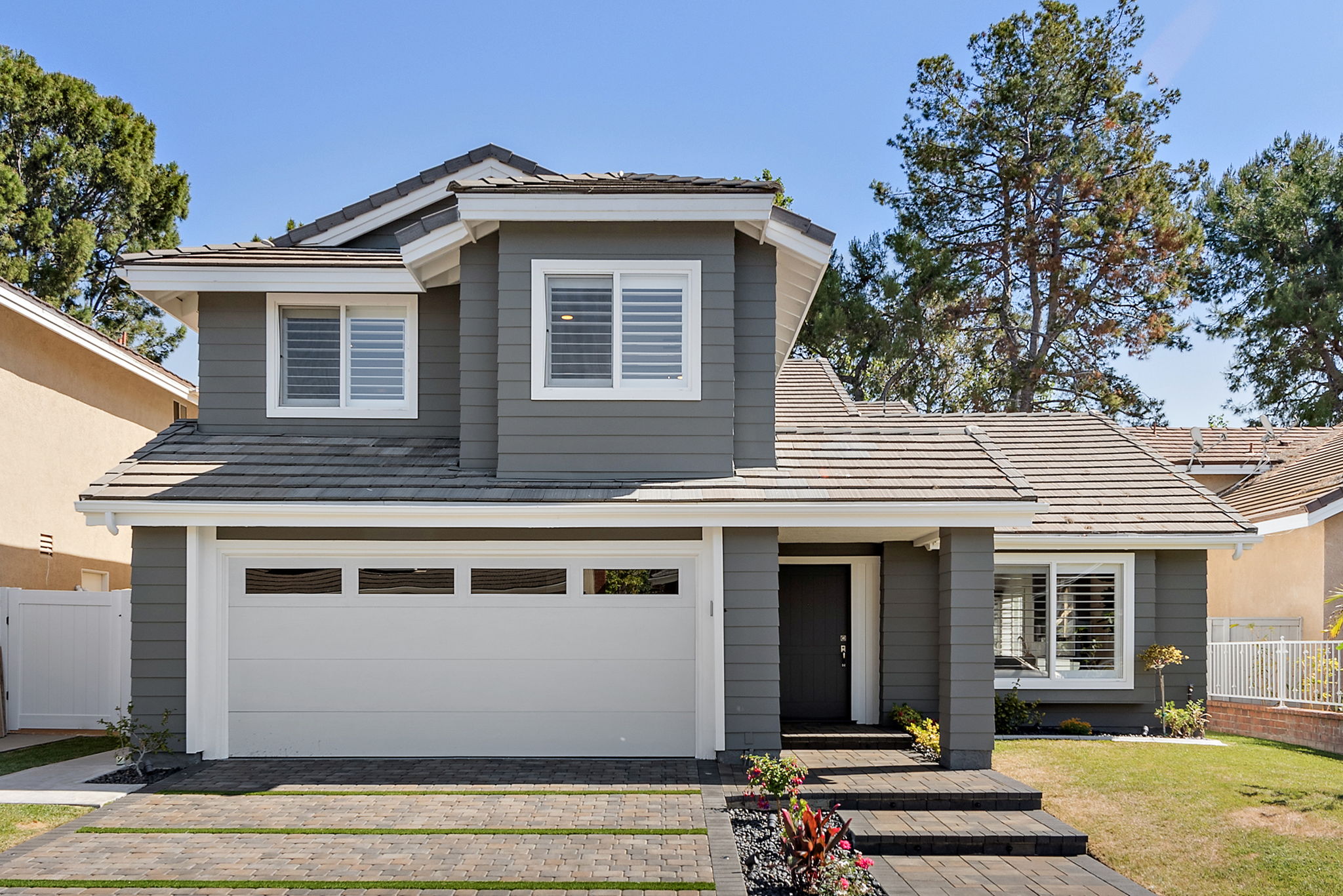
Ultimate Guide to Selling Your House in Manhattan Beach

Selling a house in Manhattan Beach? Learn how to choose your selling path, handle the city's building report, understand closing costs, and decide whether to remodel, rebuild, or sell.
Selling your house in Manhattan Beach comes down to four decisions: how you will sell, what the property is truly worth, which paperwork the city and state require, and what you will actually net after costs. This guide covers each in order, so you can choose a path before spending money on repairs or photography.
Key Takeaways
- Price locally: Published Manhattan Beach figures vary widely by source, so use tightly matched recent sales, not a citywide median.
- Start paperwork early: The city’s building report expires six months after issue, and each transfer needs its own.
- Know the disclosures: California disclosures, plus federal lead-paint rules for pre-1978 homes, are separate from the city report.
- Negotiate fees: Real estate commissions are negotiable. Ask for a written net-proceeds estimate for every option.
- Check the land: On an older home, the lot may drive value. Compare remodeling, rebuilding, and selling as-is.
Why City-Wide Numbers Can Mislead
- Sources differ: One Redfin-based summary put the March 2026 median sale price near $3.3 million with about 29 days on market. A Movoto snapshot showed a May 2026 median near $4.4 million and 53 days.
- Neither is wrong: They cover different months and different mixes of homes.
- Takeaway: A Sand Section lot, a Hill Section view home, and an East Manhattan Beach house behave like separate markets. Price from sales that match your lot, condition, and location.
Step 1: Choose How You Will Sell
Your goal decides the path: highest price, speed, privacy, or minimal effort. No option wins on every measure.
Traditional Listing
- Reach: Broad exposure through the MLS and professional marketing.
- Prep: Repairs, staging, and photography are common.
- Fees: Agent compensation is negotiable.
- Risk: Buyer financing and contingencies can delay or end a deal.
For Sale by Owner
- Reach: You handle marketing, showings, and negotiations.
- Fees: No listing agent, but buyer-agent compensation may still come up.
- Risk: Similar contingencies, with more work on you.
Direct Sale to a Buyer
- Reach: One private buyer, which suits owners who value privacy.
- Prep: Buyers such as Reeland typically purchase as-is.
- Fees: Reeland states there are no commissions.
- Speed: Reeland states closing can happen in as little as seven days.
- Trade-off: The offer reflects as-is condition and land value, so it may differ from a fully prepared listing sale.
Step 2: Find Out What Your Property Is Really Worth
- Land matters: Lot size and shape, corner position, view corridors, proximity to the Strand or pier, and zoning all influence value.
- Older homes: A house on a desirable lot may appeal to buyers planning a rebuild.
- Ask for proof: A credible valuation names specific comparable sales, explains adjustments, and says whether it values the property as a home or as redevelopment land.
Step 3: Remodel, Rebuild, or Sell?
Price the alternatives side by side before committing to a major renovation:
- Remodel and sell: Targeted updates can help, but large projects add cost, permitting, and time.
- Sell as-is: Simpler, and often sensible when the lot is the main asset.
- Rebuild or redevelop: Suits owners who want a custom home, or sellers whose buyers will build one.
Get written estimates for each route and compare net outcomes, not headline prices. For a developer’s perspective, Reeland’s property renovation and investment advisory teams can help you weigh the options.
Step 4: Get the Manhattan Beach Paperwork Right
- City report: California law lets cities require a residential building record report before a sale. Manhattan Beach does, and it should be obtained before entering a sale agreement. Confirm current fees and timing with the Community Development Department.
- Transfer Disclosure Statement: Civil Code §1102 applies to virtually every sale of a one-to-four-unit residential property.
- Natural Hazard Disclosure: Covers six hazard types: flood, dam inundation, high fire severity, wildland fire, fault zones, and seismic hazard zones.
- Pre-1978 homes: Federal rules require a lead-based paint disclosure, the EPA pamphlet, and a 10-day buyer inspection opportunity.
- As-is sales: Selling as-is does not remove the duty to disclose what you know. Gather permits, invoices, and warranties early.
Step 5: Understand Costs and Taxes at Closing
- Agent compensation: Since August 17, 2024, sellers cannot advertise buyer-agent compensation on the MLS, though it can still be negotiated off-MLS.
- County transfer tax: Los Angeles County charges $1.10 per $1,000 of consideration. On a $3,000,000 sale, that is $3,300. Ask your escrow officer about any other city-level charges.
- Other costs: The city building report, a natural hazard report, title and escrow fees, and any repairs you negotiate.
- Income tax: The IRS lets many homeowners exclude up to $250,000 of gain ($500,000 if married filing jointly) if they owned and lived in the home for at least two of the last five years. Consult a tax professional about your situation.
Step 6: Prepare, Price, and Negotiate
- Fix the visible: Address obvious maintenance issues and organize your records.
- Set your priority: Top price, speed, or privacy.
- Compare by net: Judge offers by proceeds after payoff, fees, taxes, and concessions, not the headline number.
Selling Directly to Reeland Investments
Reeland Investments is a Los Angeles-based luxury development, renovation, and investment company active across the South Bay. Its site cites 400+ completed projects and over $1 billion in combined project value.
- Process: Reeland says it buys as-is, with no commissions or required repairs, and a cash offer typically within 24 to 48 hours.
- Timeline: Closing in as little as seven days, or later if you prefer.
- Developer lens: Because Reeland builds as well as buys, it evaluates land and redevelopment potential, not just the existing structure.
See the Manhattan Beach seller page or request a confidential evaluation to compare a direct offer with your other options.
Frequently Asked Questions
How much does it cost to sell a house in Manhattan Beach?
Costs depend on the price and the path. Typical items include negotiable agent compensation, the county transfer tax of $1.10 per $1,000, the city building report, hazard disclosure reports, and title and escrow fees. Ask for a written net-proceeds estimate.
Do I need a Residential Building Report to sell in Manhattan Beach?
The city requires one before a sale agreement, so request it early. Verify the current fee and processing time with the city.
Can I sell my Manhattan Beach house as-is?
Yes, but you must still make the required California disclosures. As-is means you are not agreeing to make repairs, not that you can stay silent about known issues.
Is my Manhattan Beach home worth more as land?
Sometimes. Lot size, location, views, and zoning can make the land the main value driver, especially for older homes. Ask for a valuation that separates home value from redevelopment value.
Will I owe capital gains tax?
Many owners can exclude part or all of the gain under the IRS home-sale exclusion if they meet the ownership and use tests. Tax outcomes vary, so speak with a CPA.