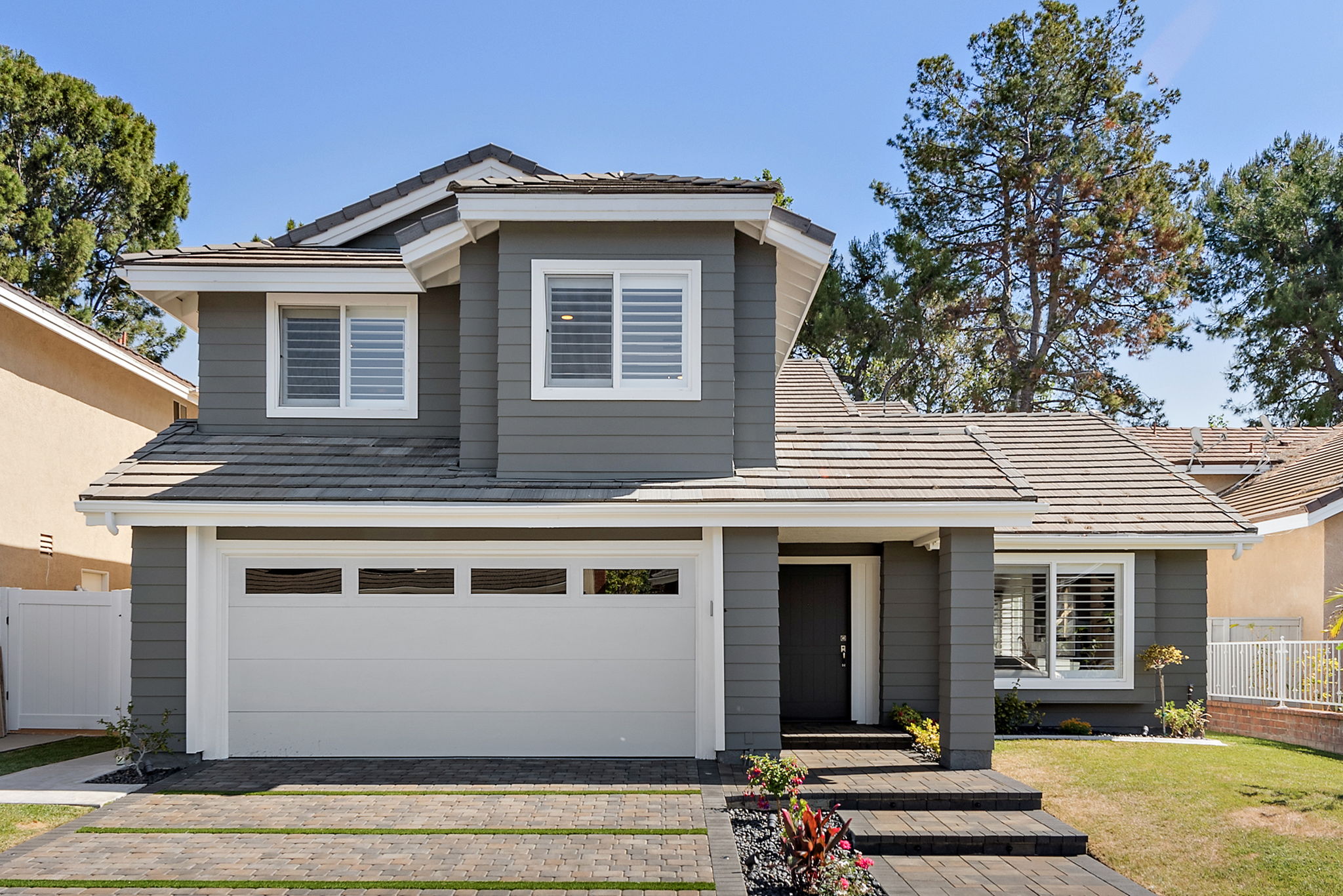
What to Inspect Before Closing on a New Construction Home

Before you close on a new build, check the paperwork, systems, finishes, and punch list. Here is a California buyer's guide to inspecting a new construction home.
Before closing on a new construction home, inspect four things: the paperwork proving the home is legally complete, the working condition of its major systems, the quality of its finishes, and the written punch list the builder agrees to finish. In California, new homes also come with builder obligations under the Right to Repair Act (SB 800), and those protections are easiest to use when problems are documented before you sign. This guide covers what to inspect before closing on a new construction home, in a practical order, including extra checks for luxury and custom builds.
Key Takeaways
- A passed city inspection confirms code compliance on permitted work. It does not replace your own review of how the home functions and finishes.
- Ask for the final permit sign-off or Certificate of Occupancy, and confirm its status with the city.
- Request the Title 24 energy certificates (CF2R and CF3R) and details on any solar or battery system.
- Use a blue-tape walkthrough to build a written punch list with completion dates.
- SB 800 sets a one-year fit-and-finish warranty minimum and longer windows for other systems, so document issues early.
Why a New Home Still Needs Your Own Inspection
In Los Angeles, the Department of Building and Safety must complete a final inspection before issuing a Certificate of Occupancy, and other cities set their own procedures. That inspection checks permitted work against code. It doesn’t open every window, run every fixture, or study paint lines the way you will. An independent inspector and your own walkthrough fill that gap.
Plan for several checkpoints rather than one:
- Pre-drywall review (if the builder allows access): Before insulation and drywall, an independent inspector looks at framing, rough plumbing and electrical, and waterproofing details.
- City final inspection: At the end of construction, the building department checks code compliance and occupancy approval.
- Independent new construction home inspection: Once the home is substantially complete, an inspector reviews systems, safety, and workmanship.
- Final walkthrough (blue tape): A few days before closing, you and the builder’s representative review finishes and function and build the punch list.
- Punch list verification: Before you sign, you confirm the fixes are actually complete.
Step 1: Verify the Paperwork First
Final Permit Approval and Certificate of Occupancy
In Los Angeles, a Certificate of Occupancy is issued under a building permit for new construction after the inspector approves all necessary work. Requirements for single-family homes vary by city, and some cities have required certificates for new single-family dwellings only in recent years. Ask the builder for the final sign-off or certificate, then confirm its status with the building department of the city where the home sits.
Title 24 Energy Compliance Documents
California documents new homes against the state Energy Code. Installers submit Certificates of Installation (CF2R) to show work met code, and HERS raters submit CF3R verification for field-tested items. The 2025 Energy Code single-family compliance forms apply from January 1, 2026, so ask which code edition your permit falls under.
Under the 2025 standards, solar photovoltaic systems are required on new single-family construction, with some exceptions. New single-family homes with electrical service over 125 amps must also be battery-ready unless a battery is installed. Request copies of the certificates and confirm the solar system’s status.
Lien Releases and Title Protection
Unpaid subcontractors can have lien rights. Under California Civil Code §8412, a direct contractor generally has 90 days after completion to record a lien, or 60 days after a recorded Notice of Completion, while other claimants have 30 days after that notice. Ask your escrow and title officers how lien exposure is being handled and what your title policy covers.
Warranty Documents and SB 800
SB 800 (Civil Code §895 and following) applies to new residences originally sold on or after January 1, 2003. It requires builders to provide at least a one-year written warranty on fit-and-finish items such as cabinets, flooring, countertops, and paint. Under Civil Code §896, claims for plumbing, sewer, and electrical systems have a four-year limit from close of escrow, although some online summaries state two. Paint claims have a five-year limit, and the general outer limit is ten years from substantial completion. Keep every warranty document and confirm deadlines with a California real estate or construction attorney.
Step 2: Get a New Construction Home Inspection
Hire an independent inspector with new-build experience and ask for a sample report. Schedule the final inspection when the home is nearly complete and before closing. Key areas:
- Roof, flashing, and exterior envelope: Look for water staining, caulk gaps, and poorly sealed penetrations. Under SB 800, decks, balconies, and exterior stairs must not let water pass into the adjacent structure, which matters on homes with rooftop decks.
- Plumbing: Run every fixture, check under sinks, test hot water at the farthest tap, and locate shutoffs.
- Electrical: Test outlets with a plug-in tester, check GFCI protection, and confirm the panel is labeled.
- HVAC: Run heating and cooling in every zone, check airflow, and note filter sizes.
- Grading and drainage: Grading should slope away from the foundation with no standing water.
- Windows, doors, and garage: Operate everything, and test the garage door opener and its safety sensor.
Step 3: Run the Final Walkthrough (Blue-Tape Method)
In a blue-tape walkthrough, you mark flaws and unfinished work with blue painter’s tape so the builder knows what to fix. Bring tape, a flashlight, an outlet tester, and a phone for photos. Visit in daylight, and hold a flashlight at an angle across walls to reveal drywall flaws. Photograph each item and number your list.
Before you leave, ask for the timeline to complete each item and whether a follow-up walkthrough will happen before closing. Treat major heating, cooling, plumbing, or electrical problems as potential closing delays.
Extra Checks for Luxury and Custom Homes
- Compare finishes, fixtures, and appliances to the specifications in your contract.
- Test smart-home, lighting, security, and audio controls, and get all credentials and manuals.
- Inspect pool, spa, and outdoor kitchen equipment, plus deck waterproofing and drainage.
- Collect appliance warranties and registration paperwork.
- In coastal areas, confirm that any coastal permit conditions were satisfied. Our guide on buying a new build in Manhattan Beach explains how Coastal Zone rules can affect a parcel.
Red Flags That Should Delay Closing
- No final permit sign-off or Certificate of Occupancy where one is required
- Active leaks or unresolved moisture
- Nonfunctioning HVAC, plumbing, or electrical systems
- Missing energy compliance certificates
- Unanswered lien or title questions
- A builder unwilling to put the punch list in writing
After Closing: Calendar Your Warranty Window
With a one-year minimum fit-and-finish warranty, schedule a review around month 11 and submit written notice for anything you find.
Frequently Asked Questions
Do I need a home inspection on a new construction home in California?
It is strongly worth it. City inspections verify code compliance on permitted work, while an independent inspector reviews the home from your side and can catch workmanship and function issues while the builder is still motivated to respond.
What is a blue-tape walkthrough?
It is the final walkthrough where you mark defects and unfinished items with blue painter’s tape. Those marks become the builder’s punch list.
What documents should I ask for before closing?
Ask for the final permit sign-off or Certificate of Occupancy, Title 24 CF2R and CF3R certificates, warranty documents, appliance manuals and warranties, and your escrow and title officers’ explanation of lien protection.
How long is a builder’s warranty on a new California home?
SB 800 requires at least a one-year written warranty on fit-and-finish items. Statutory claims for plumbing, sewer, and electrical systems have a four-year limit from close of escrow, paint has five years, and the general outer limit is ten years from substantial completion. Confirm details with an attorney.
Can I delay closing if the punch list isn’t finished?
It depends on your purchase agreement. Major problems affecting safety or livability are reasons to ask for a delay, while minor items are often handled through a written completion schedule. Have a real estate attorney review your options.
Buying New Construction in Southern California?
Reeland Investments is a luxury home developer focused on ground-up construction and custom residences, and reports more than 400 completed projects across Southern California. Browse current projects, see what’s coming soon, or talk to a luxury home builder in Manhattan Beach about your plans.
If the purchase is part of a broader investment plan, Reeland’s investment advisory team reviews opportunity analysis, development feasibility, and exit scenarios. No outcome, including future value, is guaranteed. Contact Reeland Investments to discuss your next step, or visit the Reeland blog for more guides.