
Selling a Sherman Oaks Home With Unpermitted Work: Garage Conversions, Additions & ADUs
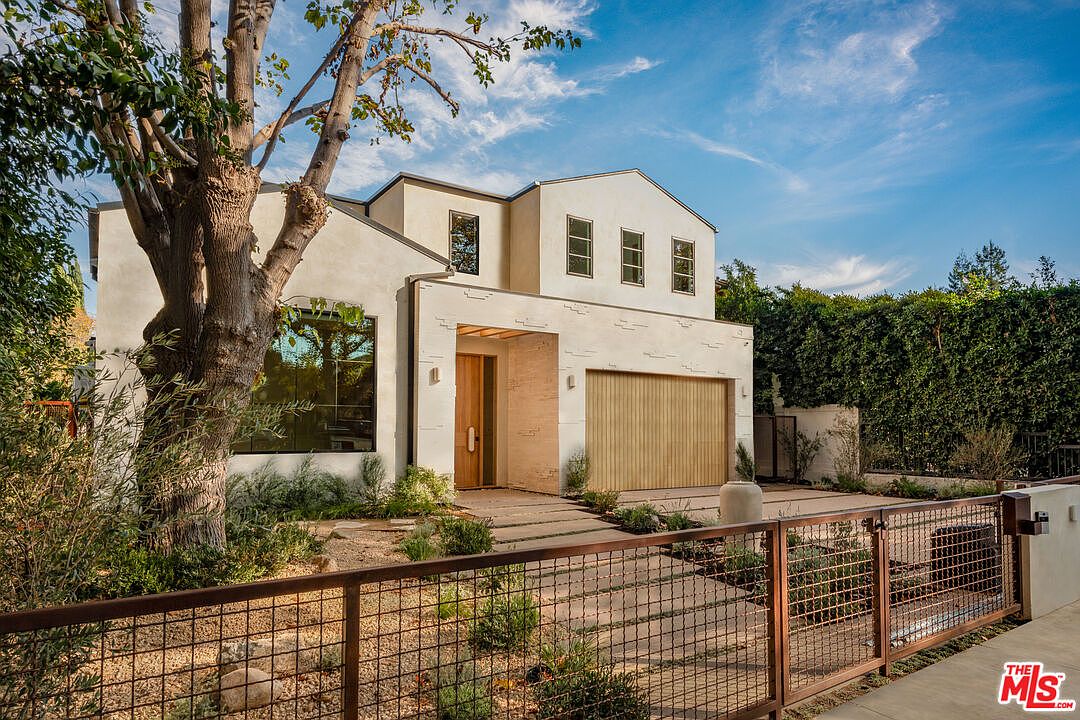
You can sell a Sherman Oaks home with unpermitted work, but you must disclose it. Compare your three options: legalize first, list as-is, or sell directly to Reeland.
Yes, you can sell a Sherman Oaks home with unpermitted work, but you can’t leave it out of the sale. California’s Transfer Disclosure Statement asks sellers about room additions, structural modifications, and other alterations or repairs made without necessary permits, and sellers inside the City of Los Angeles must also apply for a Residential Property Report and deliver it to the buyer. Your real decision is how to sell: legalize first, list as-is with full disclosure, or sell directly to a buyer who purchases as-is. This guide covers garage conversions, additions, and ADUs, and shows where each path makes sense.
Key Takeaways
- Disclose what you know. Selling “as-is” does not remove California’s disclosure duty.
- Sherman Oaks is part of the City of Los Angeles, so city building records and the seller’s property report requirement apply.
- AB 2533 created an amnesty path for eligible ADUs built without permits before 2020. Ordinary room additions do not qualify.
- Hillside lots, steep slopes, and landslide zones fall outside the city’s streamlined process.
- Compare your net proceeds across all three paths, not just the headline price.
What Counts as Unpermitted Work in Sherman Oaks?
Unpermitted work is any alteration that needed a permit but never received one, or never passed final inspection. Common examples include:
- A garage converted into a bedroom, office, or living space
- A room addition or enclosed patio
- An added bathroom or kitchen
- A backyard guest unit or converted accessory structure
- Electrical, plumbing, or structural changes done without a permit
Many Sherman Oaks homes are decades old, so the work may predate your ownership. Often owners only learn about it when they prepare to sell.
Start by Finding Out What’s Actually Unpermitted
Begin with the permit history for your address from the Los Angeles Department of Building and Safety (LADBS), then compare it to the house itself. Check the bedroom count, the square footage, and whether the garage still works as a garage.
Next, plan for the Residential Property Report, also called Form 9. The Los Angeles Municipal Code requires the seller to apply for it and deliver it before entering into an agreement of sale or before close of escrow. LADBS publishes the current fee, so check its site when you apply. lacity
What You Must Disclose
If you know about unpermitted work, disclose it in writing, even if a previous owner did it. Selling as-is changes the price conversation, not the disclosure duty. A real estate attorney can confirm which exemptions might apply to your sale.
Your Three Ways to Sell
Legalize first. This suits pre-2020 ADUs or smaller issues, and sellers who can wait. It removes the permit question but costs time and may require corrections.
List as-is with disclosure. This suits sellers who want the widest open-market exposure. Buyers and lenders may discount the price or renegotiate after inspection.
Sell directly as-is. This suits sellers who want speed, certainty, and no repairs. The trade-off is that offers are usually below what a fully prepared listing might earn.
Option One: Legalize Before You Sell
Pre-2020 ADUs, JADUs, and Garage-to-ADU Conversions
For eligible units, the City of Los Angeles now has a defined process. LADBS issued an information bulletin setting out streamlined permitting for unpermitted ADUs and JADUs built before 2020, effective in the summer of 2026. Key points: lacity
- Proof of age: You need documents showing the unit existed before 2020, such as contractor bills, utility or insurance records, a signed lease, or loan, appraisal, or MLS documents.
- Optional private inspection: You can hire a California-licensed contractor for a confidential pre-check using the city’s substandard checklist. The results are for your information and are not submitted to LADBS.
- Health-and-safety focus: Inspections follow a checklist, some fire and life-safety items may meet the codes in effect when the unit was built, and the energy code is not required.
- Lighter paperwork and fees: A full architect or engineer plan set is not required for streamlined projects, impact fees are generally not charged, and existing non-conforming setbacks are allowed.
- Certificate of Occupancy: LADBS issues it after final inspection and required clearances.
The unit must also meet the state’s definition of an ADU or JADU.
When the Streamlined Route Doesn’t Apply
Projects with a basement, more than one story, a steeper slope, or a location in a fault, landslide, or liquefaction zone are outside the streamlined process and may need extra documents such as soils reports or structural plans. That matters in Sherman Oaks’s hillside areas, where site conditions can complicate any permitting plan. lacity
Room Additions and Other Non-ADU Work
AB 2533 is not a blanket pardon. Additions and other unpermitted work go through standard permitting. When work began without a permit, the Los Angeles Municipal Code requires an investigation fee equal to double the permit fee, on top of normal fees. Inspectors may also require corrections before final approval. amlegal
Option Two: List As-Is With Full Disclosure
This is allowed, but expect scrutiny. Buyers’ agents can pull permit history from the city’s building records portal, and inspectors flag unpermitted structures. Financing adds another variable: appraisers are expected to support the market impact of unpermitted additions rather than simply ignore them, and lender appetite varies. A narrower buyer pool or price negotiation after inspection is common. greysqappraisersblogs
Don’t advertise unpermitted space as legal square footage or an extra bedroom without advice from your agent and attorney.
Option Three: Sell Directly As-Is to a Developer-Buyer
A direct sale skips legalization, repairs, showings, and buyer-financing contingencies. Reeland is licensed in both real estate and general construction and buys properties as-is, with no repairs or cleanup required. Because Reeland evaluates land and redevelopment potential, not just current condition, unpermitted space inside an older house may weigh differently than it would for a buyer who plans to move in. Reeland states that it typically provides a written cash offer quickly and lets you choose the closing timeline.
The trade-off is price. Direct offers are usually lower than what a fully prepared home might earn on the open market, so get more than one written offer and have an attorney review the contract. Our guides to selling to an investor and selling to a developer explain how to compare buyers, and our overview of cash home buyers in California covers the main buyer types.
How to Choose: Run the Numbers Both Ways
Estimate your net for each path.
If you legalize first, start with the expected sale price. Subtract permit and correction costs, carrying costs while the work is underway, and selling costs. If you sell directly, start with the written offer and subtract any costs the buyer doesn’t cover.
Then ask yourself a few questions. Is the unit a documented pre-2020 ADU? Is the lot on a slope? How soon do you need to close? If legalizing would mean a real renovation, weigh that cost against selling as-is, with Reeland’s property renovation perspective in mind.
Mistakes to Avoid
- Waiting until escrow to disclose
- Counting unpermitted space as legal square footage in your listing
- Assuming the amnesty covers any addition
- Paying upfront fees to a buyer, or signing a deed the same day
- Skipping attorney review
Talk Through Your Options
If you own in Sherman Oaks and want to see what a direct as-is sale could look like, talk with Reeland about selling your Sherman Oaks home or contact the team. Share what you know, including any unpermitted work, so the evaluation reflects the property’s true condition. There is no obligation, and many owners compare a direct sale with a listing before deciding.
Frequently Asked Questions
Can I sell my Sherman Oaks house with an unpermitted garage conversion?
Yes. You must disclose it, and you can legalize it, list as-is, or sell directly to an as-is buyer. The right path depends on timing, the type of unit, and your net proceeds.
Do I have to disclose unpermitted work if a previous owner did it?
If you know about it, disclose it. The disclosure form asks about alterations made without necessary permits, and a prior owner’s work doesn’t excuse a known issue. Ask an attorney about your specific facts.
Does AB 2533 let me legalize an unpermitted room addition?
No. It applies to ADUs and JADUs built before 2020. Other unpermitted additions go through standard permitting, and Los Angeles can charge an investigation fee.
Will a lender finance a home with unpermitted space?
It depends on the lender and the appraisal. Appraisers must address the market impact of unpermitted additions, and some lenders are more cautious than others. Cash buyers don’t rely on that financing.
Does Reeland buy homes with unpermitted work?
Reeland states that it buys properties as-is, with no repairs required. Tell the team wha


