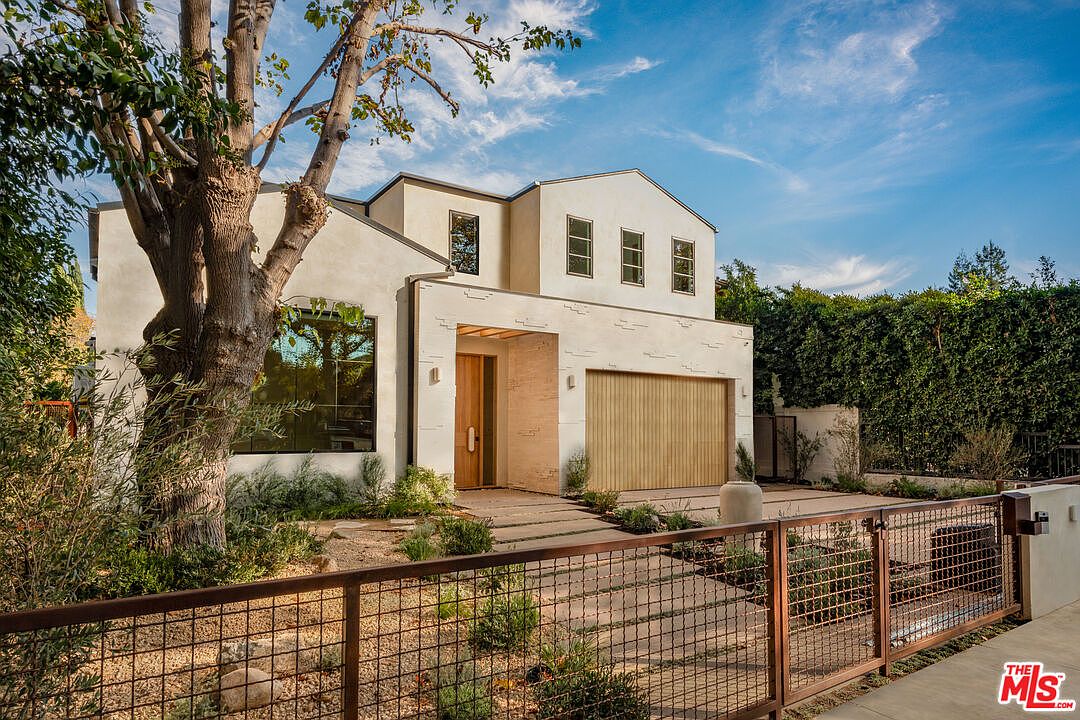
Selling a Hillside Home in Sherman Oaks (Mulholland Area): Disclosures, Slope & Insurance Issues

Hillside homes near Mulholland sell on views, but buyers scrutinize slope stability, permits, fire zones, and insurance. Here's how to prepare so your sale doesn't stall in escrow.
A hillside home near Mulholland offers views, privacy, and canyon-edge character that flat-lot homes can’t match. It also draws more buyer scrutiny. Smart buyers and their agents will look hard at slope stability, permit history, fire zone status, and whether the home can be insured at a price they can afford.
The good news is that most of these issues can be handled before you list. This guide covers what to disclose, what to fix or document, and how to keep insurance from derailing your escrow.
Key Takeaways
- California law requires natural hazard disclosures, and hillside lots are more likely to land in fire, landslide, or seismic zones.
- Unpermitted retaining walls, grading, and additions are among the most common hillside deal-breakers.
- Insurance availability and cost now affect buyer financing and offers.
- Preparing documents before listing builds buyer confidence and protects you from post-sale disputes.
What Sellers Must Disclose in California
The Transfer Disclosure Statement
California sellers generally complete a Transfer Disclosure Statement (TDS) describing known material facts about the property. That includes defects, past repairs, drainage or settling issues, and neighborhood concerns. On a hillside, past slope movement, foundation cracking, or repairs to walls and drainage belong here.
The Natural Hazard Disclosure
A third-party report identifies whether your property sits in designated zones such as a very high fire hazard severity zone, a seismic hazard zone for landslide or liquefaction, an earthquake fault zone, a flood area, or a dam inundation area. Sherman Oaks hillside parcels near Mulholland often show up in fire and landslide categories. The report only covers mapped zones, so it doesn’t replace your duty to disclose what you personally know.
Fire Hardening and Defensible Space
If your home is in a high or very high fire hazard severity zone, additional wildfire disclosures may apply. These can include whether the home predates modern fire-resistant building standards and documentation of defensible space compliance. Confirm the current requirements with your listing agent, since these rules have been evolving.
Slope, Soil, and Permit Issues Buyers Care About
Slope Stability and Geology
Many Los Angeles hillside lots fall within designated hillside grading areas, and some sit in mapped landslide hazard zones. Buyers will ask whether a geotechnical or geologic report exists, whether there has been any slope movement, and how drainage is managed. If you have prior engineering reports, gather them now.
Retaining Walls, Grading, and Drainage
Retaining walls, fill, and earthwork on hillside lots generally require City permits and inspection. Cracked walls, leaning fences, pooled water, and erosion are visible red flags in inspections. Undocumented fill or unpermitted walls can lead to buyer requests for repairs, credits, or a walk-away.
Permit History and Unpermitted Work
Pull your permit records from the Los Angeles Department of Building and Safety before listing. Compare them with what’s on the ground, including added rooms, decks, pools, and cantilevered structures. If you find unpermitted work, talk to your agent and a contractor about your options before buyers discover it in escrow.
Hillside Building Rules
The City’s hillside ordinances and the Mulholland Scenic Parkway planning rules can limit what future owners are allowed to build or expand. Buyers planning remodels will want to know. Having a clear picture of these limits makes your home easier to price and market.
The Insurance Problem in Hillside Neighborhoods
Why Insurance Is Now a Sales Issue
Many standard carriers have restricted new policies or non-renewed homes in wildfire-exposed areas of Los Angeles. Buyers who can’t find affordable coverage may struggle to get a mortgage, since lenders generally require insurance. That can shrink your buyer pool or soften offers.
The FAIR Plan and Other Options
The California FAIR Plan is the insurer of last resort and has become a common fallback in hillside areas, often paired with a separate policy for liability and gaps. Premiums on these arrangements tend to be higher than standard coverage, and rates have been trending upward. Some higher-value hillside homes are covered through surplus-lines carriers instead.
What You Can Do Before Listing
- Get your current insurance declarations page and claims history in order.
- Talk to an insurance broker about what a buyer is likely to be quoted.
- Complete defensible space work and keep records, since it can improve insurability.
- Consider sharing realistic coverage options with serious buyers early.
How to Prepare Your Hillside Home to Sell
Gather Your Documents
Assemble permits, geotechnical or soils reports, retaining wall plans, drainage records, defensible space documentation, and repair invoices. A well-organized file signals a well-maintained property.
Consider a Pre-Listing Inspection
A general inspection, plus a structural or geotechnical review if warranted, helps you find problems on your timeline instead of in escrow. You can then fix issues, price them in, or disclose them upfront.
Fix What Matters
Prioritize drainage, visible wall cracks, and brush clearance over cosmetic upgrades. Buyers weigh safety and insurability heavily on hillside homes.
Price With the Hillside in Mind
Views and lot privacy add value, but unresolved slope, permit, or insurance issues can reduce it. A pricing strategy based on comparable hillside sales, not flat-lot comps, avoids both overpricing and underselling.
How Reeland Can Help
Reeland is licensed in both real estate and general construction. That means we can assess your home’s condition, advise on which repairs are worth making before listing, coordinate engineers and contractors, and manage the sale from preparation through closing. If you own a hillside home in Sherman Oaks, a conversation before you list can save weeks during escrow.
Frequently Asked Questions
Do I have to disclose that my Sherman Oaks home is in a fire or landslide zone?
Yes, if the natural hazard report shows the property is in a designated zone, it must be disclosed to buyers. You also must disclose known material facts that the report doesn’t cover.
Can unpermitted work stop a hillside sale?
It can. Buyers and lenders may ask for repairs, credits, or permits, and some will walk away. Addressing it before listing gives you more control.
Will insurance problems lower my sale price?
They can. If buyers face high premiums or limited coverage, they may offer less or struggle to qualify for financing.
Should I get a geotechnical report before listing?
If you’ve seen cracking, movement, or drainage problems, or the home sits in a mapped landslide area, it’s worth discussing with your agent and an engineer.