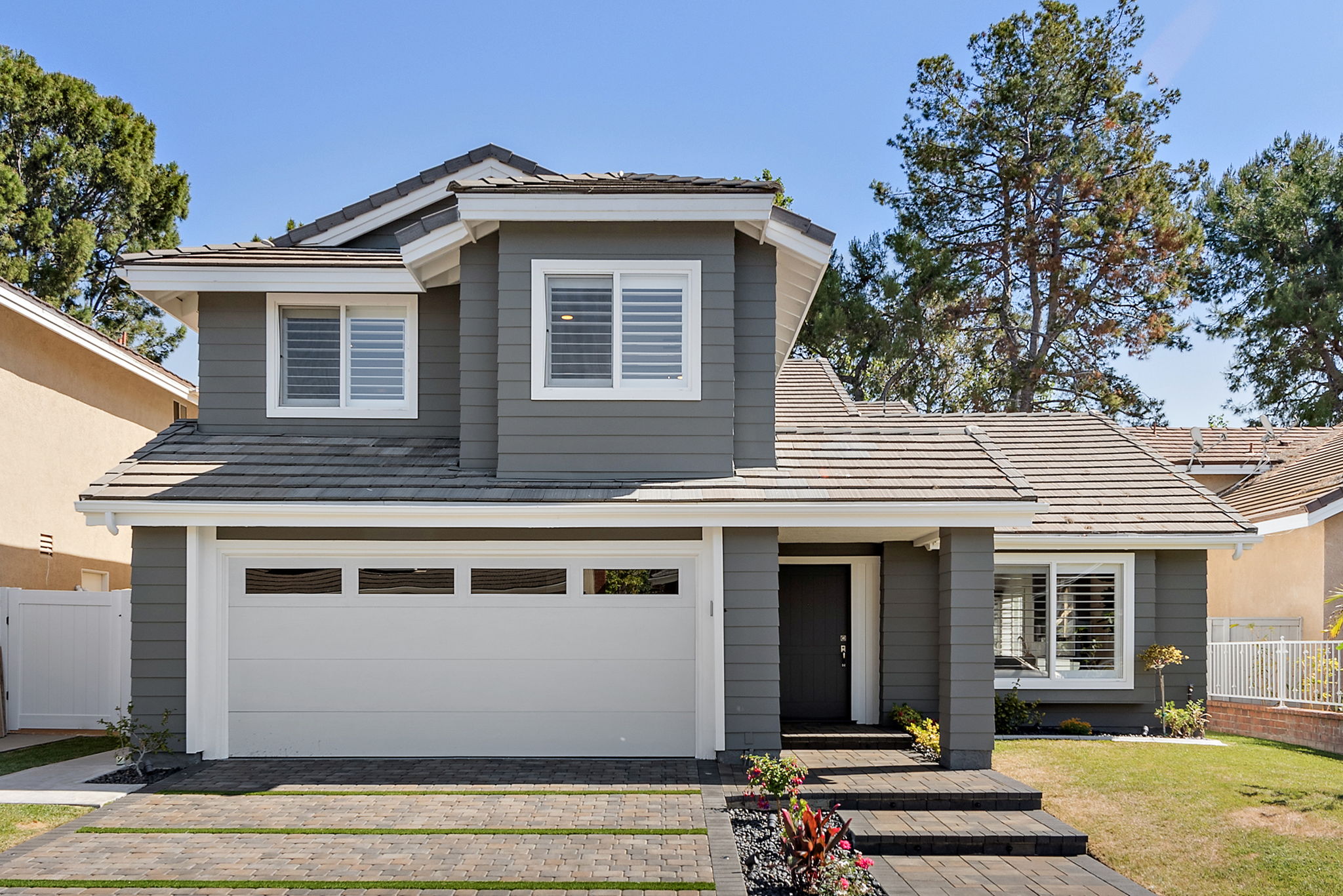
How to Sell a Luxury Home in Manhattan Beach: Seller's Guide

Learn how to sell a luxury home in Manhattan Beach: price by section and land value, complete city and state paperwork, and compare listing, private and direct-developer sales.
To sell a luxury home in Manhattan Beach, price it as both a house and a piece of land, finish the city and state paperwork before you go to market, then choose the sale path that fits your priorities: a traditional listing, a private sale, or a direct sale to a developer. Manhattan Beach is largely built out, so many buyers are builders and lot value can matter as much as the structure. This guide walks through each step.
Key Takeaways
- Value the lot and the home separately: In a built-out beach city, redevelopment potential can shape what buyers pay.
- Building report timing: Manhattan Beach has a Residential Building Report process for sales. The report expires after six months, so time it carefully.
- Required disclosures: California sellers must complete a Transfer Disclosure Statement and a Natural Hazard Disclosure.
- Commissions: Since August 2024, MLS no longer displays buyer-agent compensation offers. Commissions are negotiable, so get terms in writing.
- Compare sale paths: Compare at least two sale paths before deciding. The highest open-market price and the most certain sale are not always the same outcome.
How to Sell a Luxury Home in Manhattan Beach: Step by Step
Follow these five steps in order, from pricing to closing costs, so each decision builds on the last.
Step 1: Price by Section and by Land Value
Selling a luxury home in Manhattan Beach starts with the right comparables. The Sand, Hill, Tree, and East sections and Manhattan Village behave like separate micro-markets, and published citywide figures vary widely by source and month. Use closed sales in your section with similar lot size, views, and condition, rather than a headline median.
Then add a second lens: what would a builder pay for your lot? A developer starts from the land, then subtracts demolition, design, permitting, construction, and carrying costs. Reeland’s project development team works through exactly this math on every acquisition. Permitting matters here too. The City requires a Coastal Development Permit for development in the Coastal Zone unless an exemption applies, and those permits are discretionary. If part of your value story depends on a rebuild, ask whether your parcel sits in the Coastal Zone.
Could your lot be worth more than the house? Common signs include a dated or functionally obsolete structure, a larger or corner lot, and a view corridor. Request both an agent’s comparative market analysis and a developer’s evaluation. The gap between them tells you which buyer pool values your property most. If your home is dated but structurally sound, it is also worth comparing a sale against a property renovation before you decide.
Step 2: Complete Local and State Paperwork Early
- Residential Building Report (City of Manhattan Beach): The report summarizes permit history and zoning for the property. Per the City’s report, it expires six months after issue and each transfer needs its own report. A title-industry fee list shows about $309, but confirm the current fee with Community Development at (310) 802-5500.
- Transfer Disclosure Statement: California Civil Code Section 1102 requires most residential sellers to disclose known material facts about condition.
- Natural Hazard Disclosure: Civil Code Section 1103 requires disclosure when a property sits in designated flood, fire, earthquake fault, or seismic hazard zones, among others. Most sellers order a third-party report.
- Older homes: The City’s report notes state plumbing-fixture requirements under SB 407 for homes built before 2011, so ask your escrow officer what applies.
The California Department of Real Estate publishes a booklet on seller disclosures that is worth reading before you list.
Step 3: Choose Your Sale Path
Most Manhattan Beach luxury sellers choose among three routes. Here is how they compare.
- Traditional MLS listing with a luxury agent: Best for the widest exposure and competitive offers. Trade-off: more preparation, staging, showings, and time. The listing commission is negotiable.
- Private or off-market sale through an agent: Best for privacy and controlled showings. Trade-off: a smaller buyer pool.
- Direct sale to a developer: Best for older homes, redevelopment lots, fewer showings, and more certainty. Trade-off: the offer reflects land and construction economics, so compare it to your best open-market estimate.
Reeland Investments is a California-licensed luxury home developer, direct buyer, and seller of new construction homes in Manhattan Beach and the wider South Bay. It is not a wholesaler or a typical cash buyer. About Reeland: 400+ completed projects, $1B+ in combined project value, and 12+ years licensed in California real estate and general construction. That background means Reeland evaluates a property the way a luxury home builder in Manhattan Beach does: land, design potential, and permitting, not just the existing house. You can browse Reeland’s recent projects and the project gallery to see what gets built on lots like yours.
If speed is your top priority, our guide on selling quickly covers the trade-offs in more detail.
Step 4: Prepare and Market (If You List)
Luxury buyers compare your home against a small set of serious alternatives, so presentation carries weight.
- Pre-listing inspection: Surface issues early.
- Professional media: Photography and video.
- Staging: Clarify scale and flow without over-styling.
- Showings: Keep them privacy-conscious.
- Disclosures: Have them ready before the listing goes live so buyers can move quickly.
Step 5: Understand Commissions, Closing Costs, and Taxes
- Commissions: Commissions have always been negotiable. Under the NAR settlement practice changes that took effect August 17, 2024, sellers’ agents can no longer advertise offers of compensation to buyers’ agents on the MLS, and buyers’ agents need written agreements with their clients. Sellers can still offer concessions. Ask your listing agent to put every fee term in writing.
- Transfer tax: Los Angeles County’s documentary transfer tax is $1.10 per $1,000 of consideration, which works out to $5,500 on a $5 million sale before any exemptions. Confirm any city-level taxes and who pays what with your escrow officer.
- Federal capital gains: If you owned and lived in the home as your main residence for at least two of the last five years, you may exclude up to $250,000 of gain ($500,000 on a joint return), per the IRS. Many luxury sales exceed those limits, so speak with a CPA early.
Frequently Asked Questions
How long does it take to sell a luxury home in Manhattan Beach?
It depends on your section, price tier, pricing accuracy, and condition. Published figures conflict, so ask your agent for current days-on-market for your exact section and price band. A direct sale can be faster because it removes buyer financing and showings, though timing still depends on the buyer and the property.
Do I need a Residential Building Report to sell in Manhattan Beach?
Manhattan Beach is on the title-industry list of cities that require a building report for sales. The City’s report expires after six months and each transfer needs a separate report. Contact Community Development to confirm the current process and fee.
Could my Manhattan Beach lot be worth more than the house on it?
Possibly. Older homes on desirable lots often draw builder interest because buyers value the land and rebuild potential. Coastal Zone review, zoning, and construction costs all affect what a builder can pay, so get a written evaluation from a luxury home developer as well as an agent.
Should I list with an agent or sell directly to a developer?
Listing can expose your home to the most buyers. A direct sale trades some of that upside for speed and certainty. Get both an agent’s pricing opinion and a developer’s offer, then compare net proceeds, timing, and risk.
Can I sell my luxury home as-is?
Generally yes, but required disclosures and the building report still apply. Buyers will price visible condition, so know what repairs, if any, change your net result.
Talk to Reeland About Your Options
If you are weighing a listing against a direct sale, Reeland can review your property as a builder would. Request a confidential property evaluation or contact our team to discuss your timeline and goals. You can also explore Reeland’s services to see how development, renovation, and investment advisory fit together.