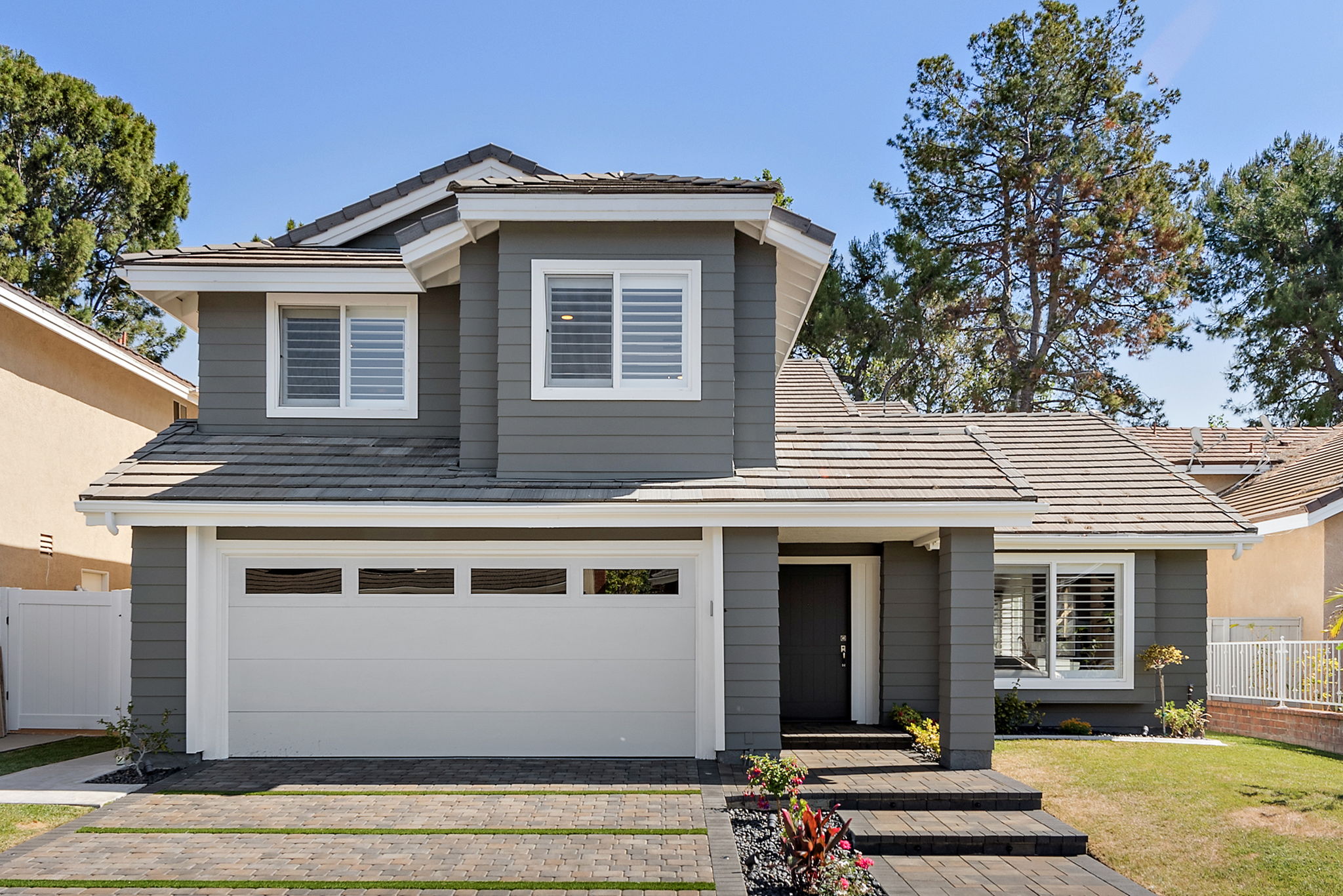
How to Invest in Luxury Real Estate in Southern California

A practical guide to investing in luxury real estate in Southern California: five strategies, jumbo financing, California taxes, insurance, permits and exit planning.
To invest in luxury real estate in Southern California, define your goal first (hold, renovate, buy new construction, or build), then stress-test the numbers that are specific to California: jumbo financing, Proposition 13 reassessment, transfer taxes, insurance and permitting. Returns are never guaranteed and values can fall as well as rise, so the strongest investors win on preparation, not prediction. This guide covers the main paths, the costs people overlook and the questions to answer before committing capital.
Key Takeaways
- Choose a strategy before a property: hold, buy new construction, renovate, develop, or pool capital.
- Most luxury purchases in Los Angeles County exceed the 2026 conforming loan limit of $1,249,125, so plan for a jumbo loan.
- Proposition 13 resets assessed value after a purchase or new construction. Budget about 1% of the purchase price before local add-ons.
- Taxes, insurance and permits can change the math as much as the purchase price.
- No path guarantees returns. Underwrite the downside, not just the upside.
Five Ways to Approach Luxury Real Estate Investing in Southern California
1. Buy and hold an existing luxury home
This is the simplest path: you own, maintain and possibly lease the property. The main risks are carrying costs, insurance, vacancy and market swings.
2. Buy a new construction home
Newer homes are built to current code and design standards. If you are considering new construction homes in Manhattan Beach, ask what permits, documentation and warranties come with the home.
3. Renovate and reposition
Value-add projects can suit investors who understand construction. Cost overruns and timelines are the biggest risks, so a clear scope matters. Reeland's property renovation team works on this kind of project.
4. Develop ground-up
You acquire a lot or teardown, then design, permit and build. This path carries the most complexity. In coastal cities such as Manhattan Beach, development in the Coastal Zone generally requires a Coastal Development Permit unless an exemption applies. Learn more about project development.
5. Pool capital in a development deal
Many private offerings are limited to accredited investors. Under SEC rules, that generally means income above $200,000 ($300,000 with a spouse) in each of the last two years, or net worth above $1 million excluding your primary residence. These deals are often illiquid, so the sponsor's track record and deal structure matter.
Understand Your Financing Options
For 2026, the conforming loan limit for a single-family home in Los Angeles County is $1,249,125. Loans above that amount are jumbo loans, which are not backed by Fannie Mae or Freddie Mac. Terms, down payments and reserve requirements vary by lender, so compare several. Some investors pay cash, but tying up capital has an opportunity cost.
Model the California-Specific Costs
Property tax
Under Proposition 13, the base rate is 1% of assessed value plus voter-approved local charges. A property is reassessed to market value after a change in ownership or new construction, and annual increases are capped at 2%. On a $4 million purchase, the base alone is about $40,000 a year.
Transfer taxes
Los Angeles County charges $1.10 per $1,000 of consideration. Inside the City of Los Angeles, Measure ULA adds 4% on transfers from $5.4 million up to $10.9 million and 5.5% above that, for closings after June 30, 2026. Neighborhoods such as Brentwood and Bel Air sit inside the City, while Manhattan Beach and Malibu are separate cities. These rules have been in flux, so confirm current figures with escrow.
Insurance
California's FAIR Plan caps residential coverage at $3 million, which can fall short of a luxury home's rebuild cost. Get insurance quotes and coverage terms before you make an offer.
Permits
Zoning, coastal review and construction timelines affect any plan that involves building or major renovation.
Plan Your Exit and Taxes Before You Buy
The home sale exclusion applies to your main home, not to investment property. California taxes capital gains as ordinary income, with no preferential rate. A Section 1031 like-kind exchange can defer, but not eliminate, tax on investment real estate. You generally have 45 days to identify replacement property and 180 days to close. Property held primarily for resale may not qualify, so speak with a CPA early.
Do Your Due Diligence Before You Commit Capital
- Compare closed sales in the exact neighborhood, not citywide averages.
- Review title, permit history and natural hazard zones (flood, fire, earthquake fault and seismic).
- Confirm that any builder or contractor holds the right California license.
- Assemble a real estate attorney, a CPA, an insurance broker and a lender before you bid.
Where Reeland Fits
Reeland Investments is a California-licensed luxury home developer, direct buyer and seller of new construction homes in the South Bay. It is not a wholesaler or a typical cash buyer. Reeland reports 400+ completed projects, $1B+ in combined project value and 12+ years licensed in California real estate and general construction. Its investment advisory page describes opportunity analysis, acquisition strategy, development feasibility and exit strategy, drawn from direct experience acquiring, developing, renovating and selling real estate. See Reeland's projects or learn about the team on the About page.
Frequently Asked Questions
How much money do I need to invest in luxury real estate in Southern California?
There is no single number. It depends on the price, your loan terms and your reserves. In Los Angeles County, loans above $1,249,125 are jumbo loans, and lenders set their own down payment and reserve rules. Also plan for closing costs, property tax, insurance and carrying costs during any renovation or build.
Is investing in luxury homes in Southern California safe?
No investment is risk-free. Values can decline, costs can rise and sales can take longer than planned. Underwriting conservative scenarios and keeping cash reserves reduce risk but do not remove it.
What is the difference between buying new construction and renovating?
New construction is built to current standards, so you are buying a finished home. Renovation lets you shape an older property but adds cost and schedule risk. Compare the total budget and timeline for each.
Do I need to be an accredited investor?
Not to buy a home directly. Many private development offerings, however, are limited to accredited investors under SEC rules.
How can I reduce taxes when I sell?
A 1031 exchange may defer tax on qualifying investment property, but it follows strict deadlines. There is no guaranteed way to avoid tax, so plan with a CPA before you buy.
Talk to Reeland About Your Strategy
If you are evaluating an acquisition, renovation or development opportunity, Reeland can walk through the numbers with you. Visit the investment advisory page or contact our team to start the conversation.