Facing Foreclosure in Sherman Oaks? How Selling Your Home Can Help
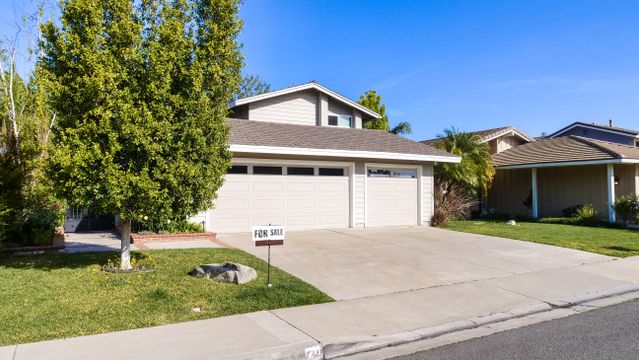
Falling behind on your mortgage is stressful, but you may have more options than you think. Here's how foreclosure works in California and how selling your Sherman Oaks home can help you keep your equity.
If you’ve received a foreclosure notice, take a breath. It can feel like time has run out, but in most cases you still have real choices. For many Sherman Oaks homeowners, selling before the auction protects the most equity, credit, and peace of mind. This guide explains how foreclosure works in California and why selling deserves serious consideration.
Key Takeaways
- Your options are widest early in the foreclosure process.
- Selling before the trustee sale can let you keep your equity instead of losing it at auction.
- A completed sale is generally easier on your credit than a foreclosure.
- If you owe more than the home is worth, a short sale may still be possible.
- Always work from the dates on your actual notices, not a generic timeline.
How Foreclosure Works in California
California mostly uses nonjudicial foreclosure, which a trustee handles outside of court. Here is the basic sequence.
The Notice of Default
After a borrower falls significantly behind, generally around 120 days, the lender’s trustee records a Notice of Default with the county. This public record formally starts the foreclosure.
The 90-Day Reinstatement Window
Once the notice is recorded, you generally have 90 days to catch up on past-due payments, fees, and costs. If you do, the foreclosure stops.
The Notice of Trustee Sale and Auction
If the default isn’t resolved, a Notice of Trustee Sale sets the date, time, and place of the auction. The minimum notice is about 20 days, and some sources count it as 21, so rely on the dates in your recorded documents. After the sale, the trustee’s deed is recorded and you no longer own the home.
Your Options When You’re Behind
Your leverage is greatest early on, so compare these options as soon as you receive a notice.
Reinstate or Modify the Loan
You can pay the overdue amount to bring the loan current, or ask your servicer for a modification or forbearance. These routes work best when your hardship is temporary and you can afford the new terms. Keep a written record of every conversation with your servicer.
Sell the Home
You list the property, close the sale, and pay off the loan from the proceeds. If you have equity, you keep what remains after the loan and selling costs.
Negotiate a Short Sale
If you owe more than the home is worth, the lender may agree to accept less than the full balance. This requires lender approval and a lot of paperwork, so starting early makes a real difference.
Why Selling Can Help
Selling is often the strongest move when you have equity and can’t sustain the payments. Here’s why.
You Keep Your Equity
Auctions often bring less than a home’s market value. Selling on the open market lets you pursue a full price, and in a desirable area like Sherman Oaks, that difference can be significant.
You Reduce Credit Damage
A foreclosure can stay on your credit report for years and make future renting or borrowing harder. A completed sale usually leaves a lighter mark, though how it’s reported varies by lender and type of sale. A housing counselor can explain what to expect in your case.
You Control the Timeline
You choose the buyer, the closing date, and the moving schedule instead of letting an auction date decide for you. That control makes it easier to line up your next place to live.
Is Selling Right for You?
Selling may make sense if you can’t afford the payments long term, have meaningful equity, or can’t get a modification. Pause and get advice first if the sale date is very close, you owe more than the home is worth, or other liens, tax issues, divorce, or probate are involved. In those cases, an attorney or housing counselor should be part of the conversation from the start.
Steps to Take Right Now
Start with these six steps, in order:
- Gather your loan statements, every notice you’ve received, and recent property tax records.
- Write down the recording date of any notice and the scheduled sale date, if there is one.
- Get a market value estimate and compare it to your loan balance to see your equity.
- Talk to a HUD-approved housing counselor. These services are generally free.
- Consider a foreclosure or real estate attorney for legal questions about your case.
- Ask a local real estate professional about pricing, repairs, and how fast you can close.
Preparing Your Home for a Fast Sale
Time is limited, so focus on high-impact items such as fresh paint, visible repairs, and tidy landscaping rather than major renovations. Price competitively, since overpricing wastes weeks you may not have. Keep your documents organized, stay flexible with showings, and respond quickly to offers.
How Reeland Can Help
Reeland is licensed in both real estate and general construction, so we can help with both sides of a fast, high-value sale. We can evaluate your home’s value, advise on whether repairs are worth doing, and manage the process from listing through closing. If you’re in Sherman Oaks and facing foreclosure, reach out early. The more time you have, the more options you keep.
Frequently Asked Questions
Can I sell my house if I’m in foreclosure in California?
Yes. You can generally sell at any point before the trustee sale, as long as the sale closes in time to pay off the loan.
How long do I have after a Notice of Default?
You generally have 90 days from the recording date to cure the default. After that, a Notice of Trustee Sale can be recorded.
Will I get any money if I sell?
If your home is worth more than you owe plus selling costs, you keep the remaining equity. If it’s worth less, a short sale may be possible with lender approval.
Is selling better for my credit than foreclosure?
Often, yes, but it depends on how the lender reports the outcome. A housing counselor can review your specific case.