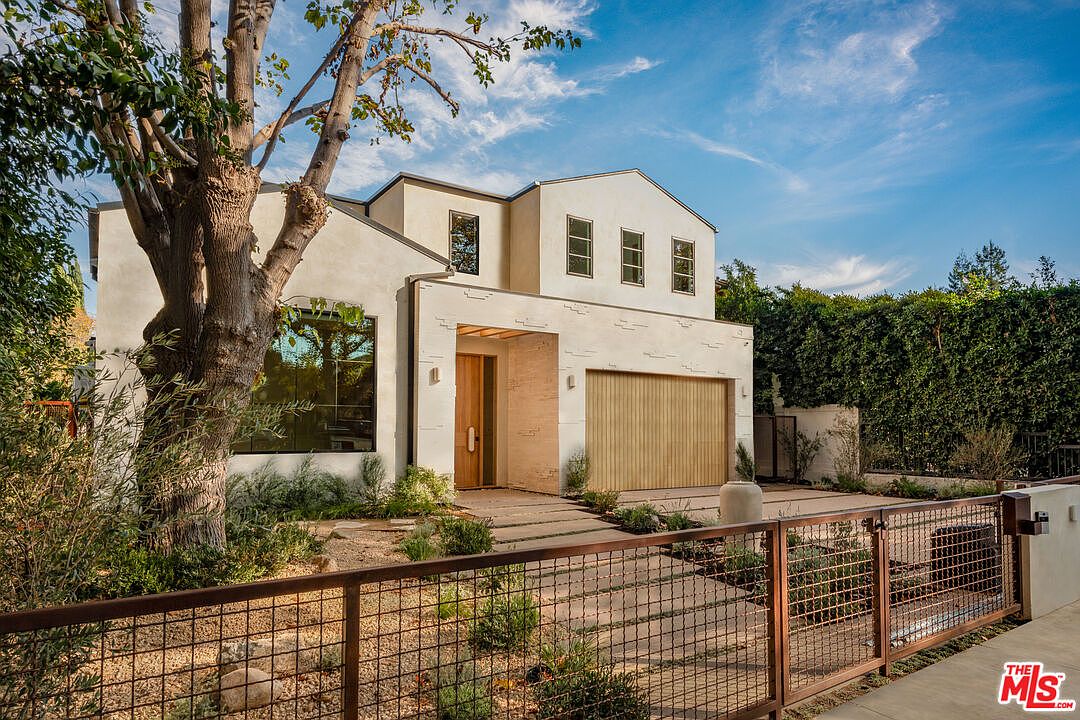
Building or Buying a New Home in Old Towne Orange: Historic District Design Review Rules Explained

Building a new home or making major exterior changes in Old Towne Orange means going through design review. Here's how the process works, so you can judge feasibility before you buy, design, or build.
If your property sits inside the Old Towne Historic District, building a new home or making major exterior changes means going through design review. The City’s Historic Preservation Design Standards apply to all properties in the district, and most exterior changes require review for conformance. Smaller projects can often be approved by staff, while larger or more substantial work goes to the Design Review Committee. Demolition faces tighter controls still. This guide explains how the process works so you can judge feasibility before you buy, design, or build.
Key Takeaways
- Check first whether your parcel is inside the Old Towne boundary. Everything else depends on it.
- Many projects can be approved by staff through Minor Design Review, while substantial changes go to the Design Review Committee.
- Whether your home is a contributor or non-contributor to the historic district can affect how a project is evaluated.
- Demolition in Old Towne is tightly controlled and is tied to an approved replacement.
- Orange updated the Design Review Committee’s duties in late 2025 and has discussed a broader preservation ordinance, so verify the current process.
What Is Design Review in Old Towne Orange?
The Historic Preservation Design Standards for Old Towne are based on the rehabilitation principles of the Secretary of the Interior’s Standards, and their purpose is to protect the character-defining features of the district. They are meant to help ensure that new construction is structurally and aesthetically compatible with the existing historic neighborhoods.
Landscaping and a few other items can be exempt from a formal review process, but they still have to conform to the Design Standards. In practice, assume that anything visible from the street deserves a conversation with Planning before you commit to a design.
Start by Confirming Your Parcel and Its Status
The historic rules hinge on whether your parcel is inside the official Old Towne boundary, so ask Planning to confirm it against the City’s boundary map. Next, find out how your property is classified. City staff reports routinely describe properties as contributing or non-contributing resources to the National Register-listed Old Towne Historic District. A non-contributing property may be evaluated differently from a historic home, but it is still subject to the district’s design standards.
Minor Design Review vs. the Design Review Committee
Minor Design Review is the staff-level path for many smaller exterior projects. The Design Review Committee hears larger work. Projects that propose a substantial change are reviewed by the committee, and new structures are among the common examples. City agendas show the committee reviewing everything from remodels and additions to new detached garages at the rear of single-family homes in the district.
When the committee reviews a project, its findings come from the Orange Municipal Code and the Old Towne standards. In a National Register district, the work must also comply with the Secretary of the Interior’s standards and guidelines. One detail surprises many builders: the City’s Infill Residential Design Guidelines do not apply to properties inside the Old Towne Historic District. The Old Towne standards govern instead.
What the Standards Mean for a New Home or Addition
Reviewers look at how new work relates to the historic character around it. For additions, staff reports emphasize that new work should not destroy historic materials or features and should be differentiated from the old. For new structures, the standards are meant to keep the result compatible with the neighborhood, and placement matters as much as appearance. Committee and appeal records, for example, show projects debated over the setback of a new garage.
Read the full standards before you hire a designer, and choose a team that is comfortable working to preservation-based requirements. Designs that ignore the district’s established patterns tend to come back for revision.
Demolition and Replacement
If your plan involves removing an existing home, slow down. The Old Towne standards include a dedicated demolition review section, and city code ties demolition within Old Towne to an approved replacement building or use, with environmental review often involved. Treat demolition as part of the whole project, not a separate first step, and confirm the current requirements with Planning.
Buying in Old Towne? Check Before You Close
If you are buying a house or lot with plans to rebuild or expand, do the review homework first. Confirm the parcel’s boundary status and classification, pull the property’s permit history, and ask Planning what path your intended project would follow. A beautiful lot can come with a longer approval path than you expected, and it is much cheaper to learn that before closing.
Rules Are Changing
Orange revised the scope of the Design Review Committee in late 2025, and City staff and consultants have told officials the City will pursue a comprehensive historic preservation ordinance. Reports on the 2025 change indicated that review of projects in Old Towne would remain with the committee. Still, details can shift, so always verify the current process before finalizing plans.
How Review Affects Your Plan
Design review adds steps, so build them into your schedule and budget from day one. Bring your architect and builder together early so the design is both approvable and buildable. Questions to settle at the start include whether your parcel is in the district, how it is classified, which review path applies, and whether demolition is involved.
If you are weighing a ground-up build against a major remodel in Orange, Reeland can help you think through feasibility. Reeland is licensed in both real estate and general construction and manages projects from planning through delivery. Learn more about our new construction homes in Orange, our luxury home builders in Orange, and our project development and property renovation services. Property tax on a new build is another cost to plan for, and our Orange property tax guide covers it once it is live.
Frequently Asked Questions
Do I need approval to build a new home in Old Towne Orange?
Yes. Most exterior changes in the Old Towne Historic District require review for conformance with the Historic Preservation Design Standards, and new construction typically goes through the Design Review Committee. Confirm the exact path with Planning.
What is the difference between Minor Design Review and the Design Review Committee?
Minor Design Review is a staff-level process for many smaller projects. Substantial changes, such as additions and new structures, are reviewed by the Design Review Committee.
Can I demolish a house in Old Towne Orange?
Demolition is tightly controlled. City code links demolition in Old Towne to an approved replacement, and environmental review may apply. Speak with Planning before making any demolition plans.
Do the Infill Residential Design Guidelines apply in Old Towne?
No. City staff reports state that those guidelines do not apply inside the Old Towne Historic District. The Old Towne standards apply instead.
Are ADUs reviewed the same way as other new structures in Old Towne?
The City’s guidance lists new structures as common committee projects but notes that ADUs are treated differently in that category. Requirements can still apply, so confirm with Planning. Our guide to ADU rules in the City of Orange covers the details once it is live.